

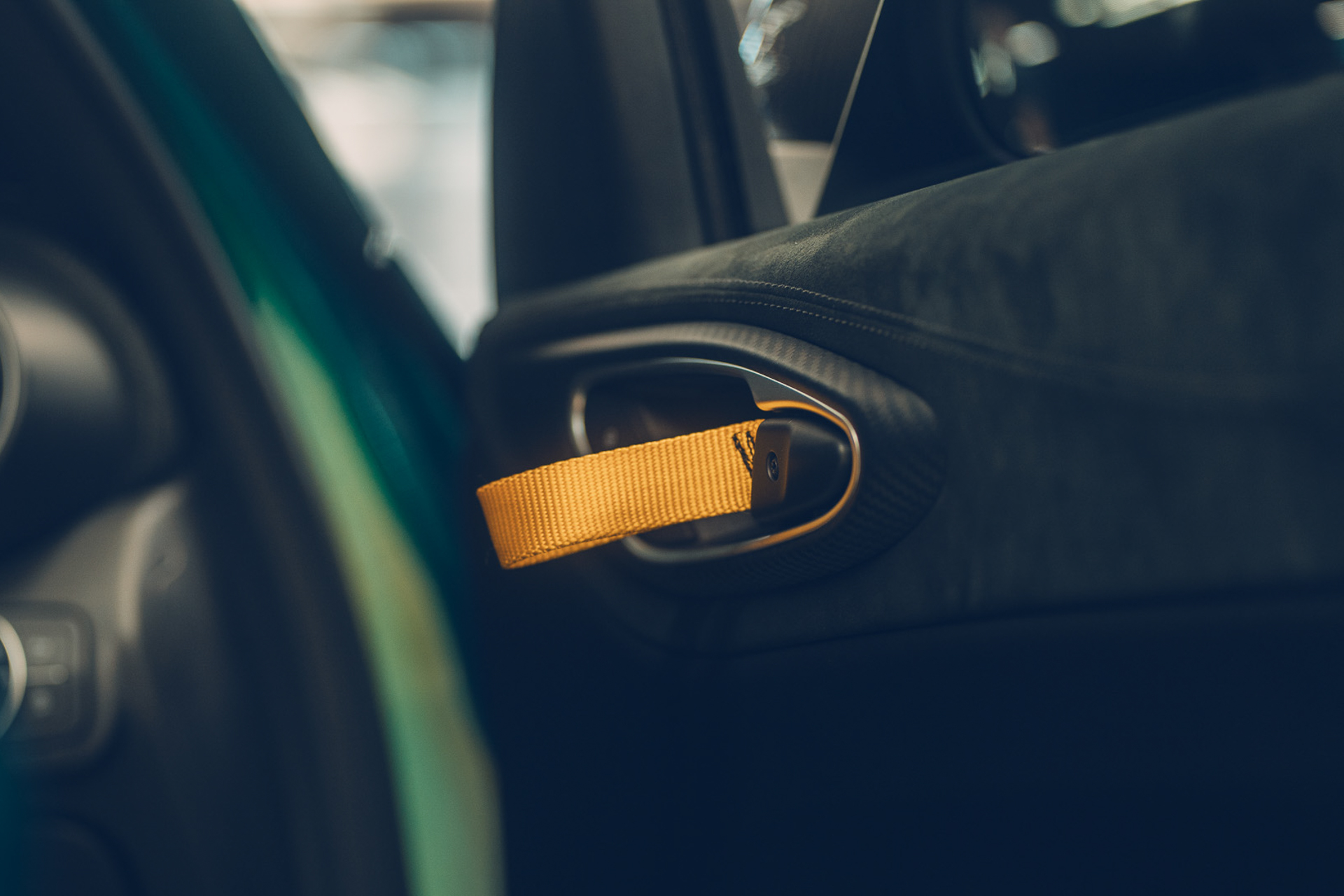
We go beyond surface silence. Our sound proofing and insulation solutions reduce road noise, vibration, and thermal intrusion using high-grade materials strategically installed throughout your vehicle. The result? A calmer, quieter, cooler cabin; enhancing audio performance, ride quality, and overall driving comfort. Because luxury isn’t loud, it’s perfectly still.
Noise, Vibration, and Harshness (NVH) in the automotive industry refers to the study and modification of the noise and vibration characteristics of vehicles to enhance comfort levels and driving experience. Automotive soundproofing, as both an art and science, involves meticulously analyzing and mitigating unwanted sounds and vibrations within a vehicle.
This dual nature stems from the scientific aspect of understanding the physics of sound and vibration, employing materials and technologies to insulate and absorb noise, while the artistic side involves the subjective, nuanced tuning of acoustic environments to create a desired auditory experience for passengers. Engineers and designers balance these elements, employing a mix of technical expertise and creative judgment to achieve an optimal, quiet cabin environment, making every drive a serene journey.
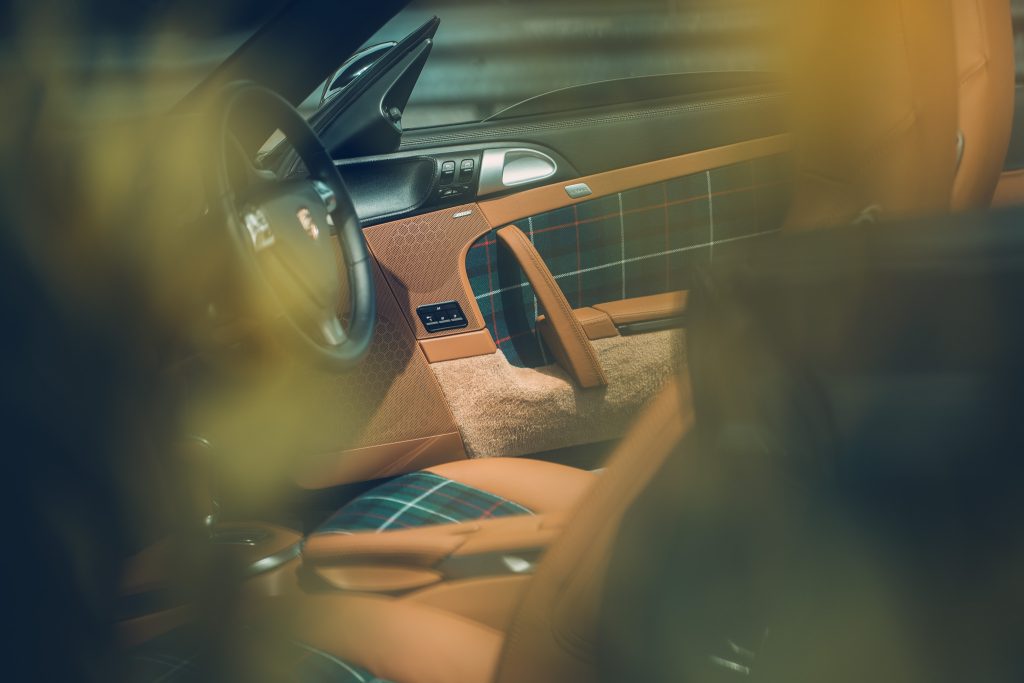
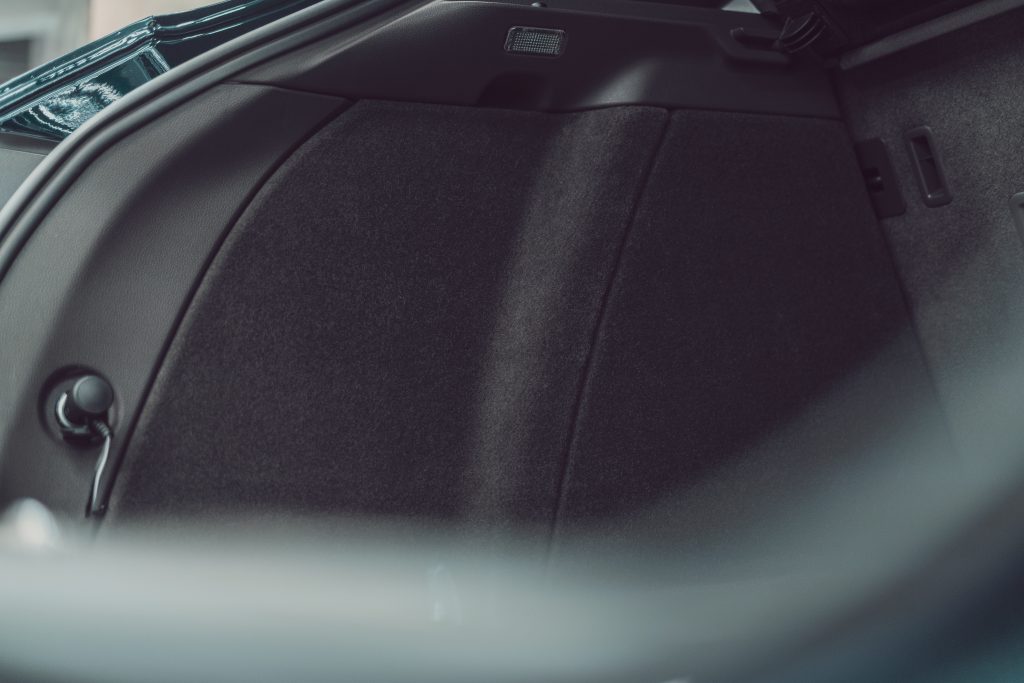
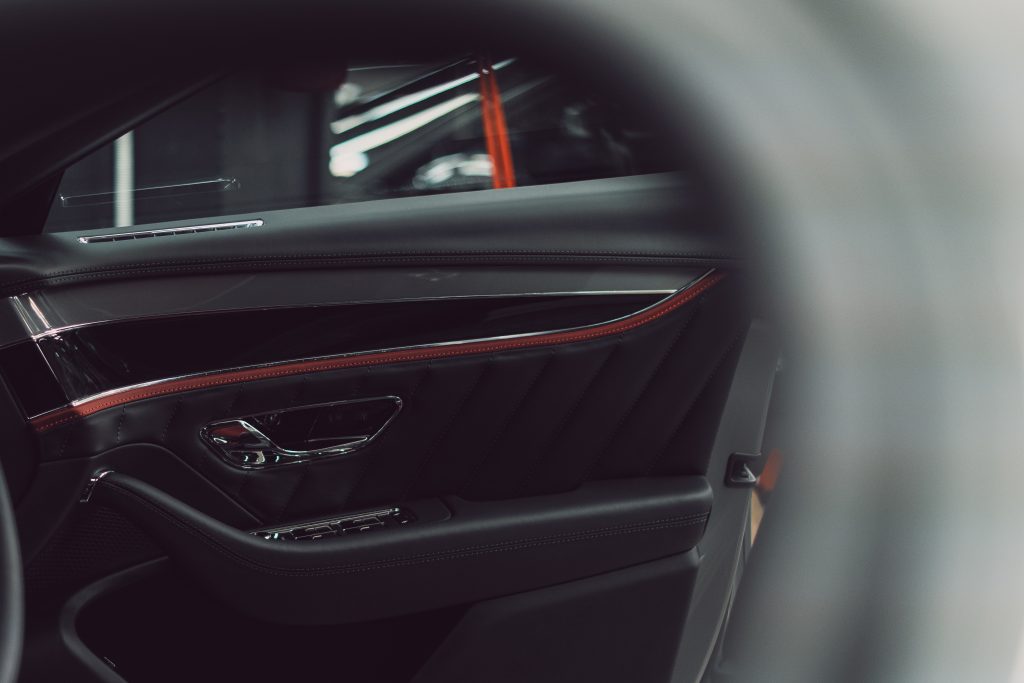
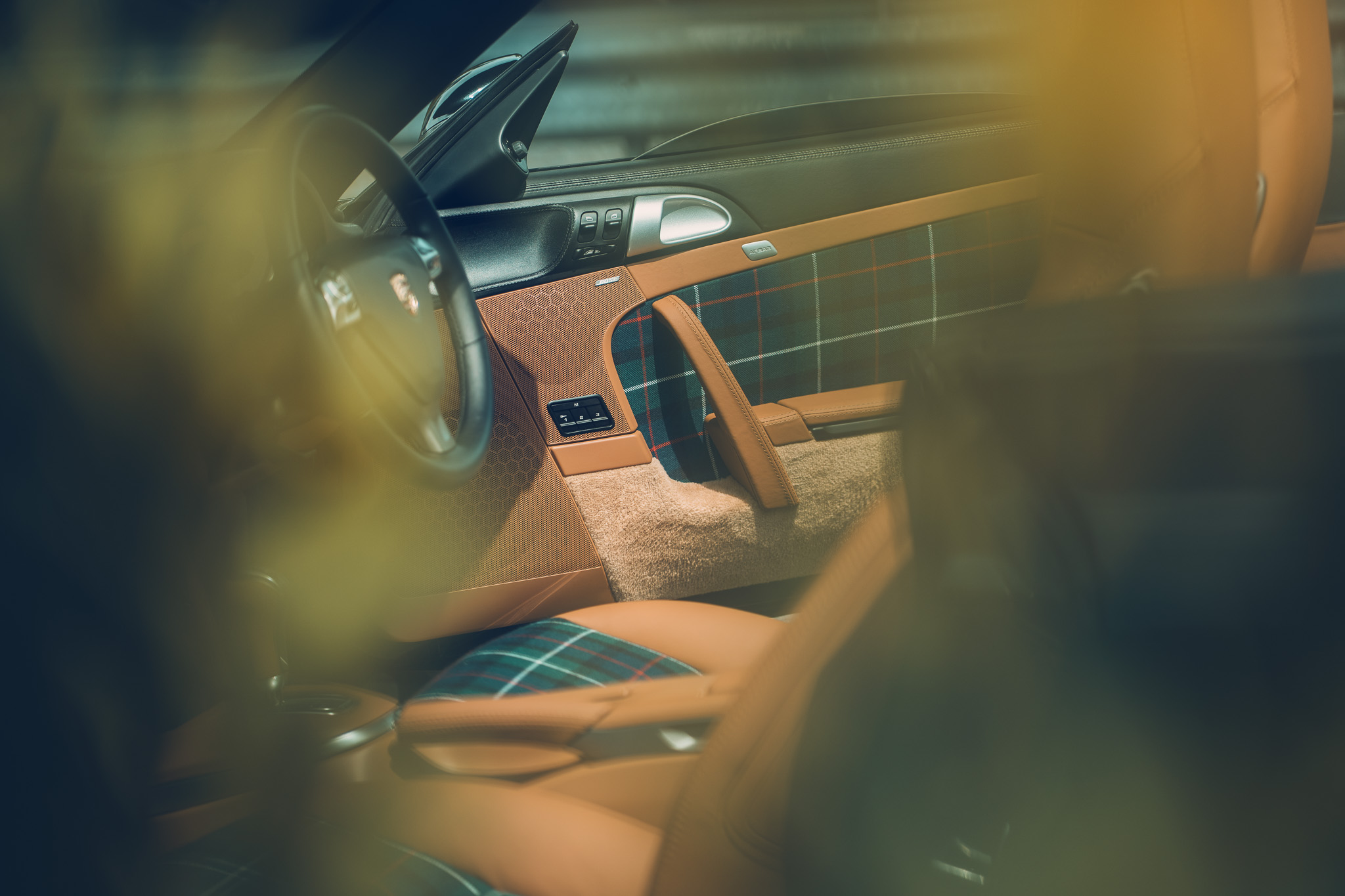
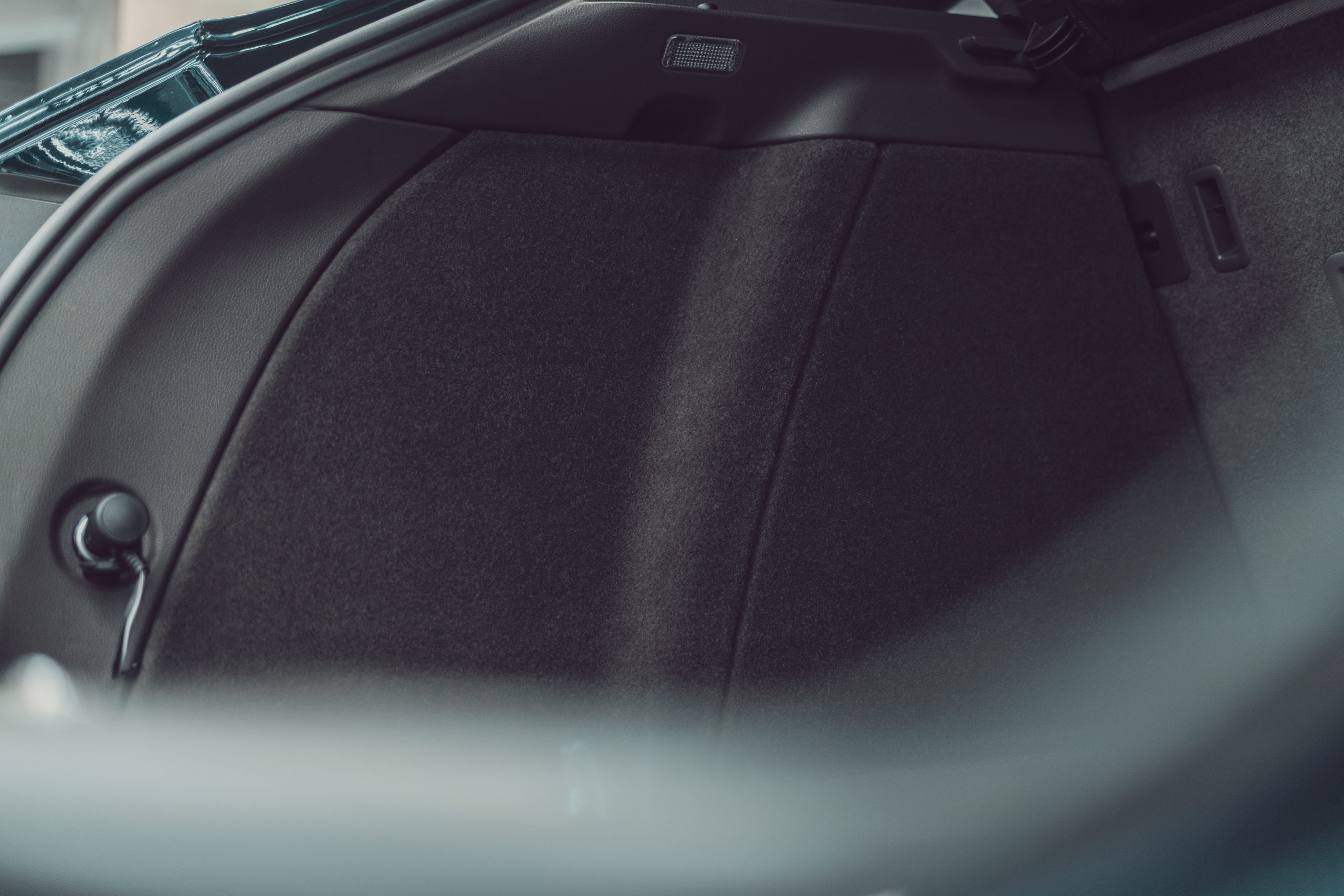
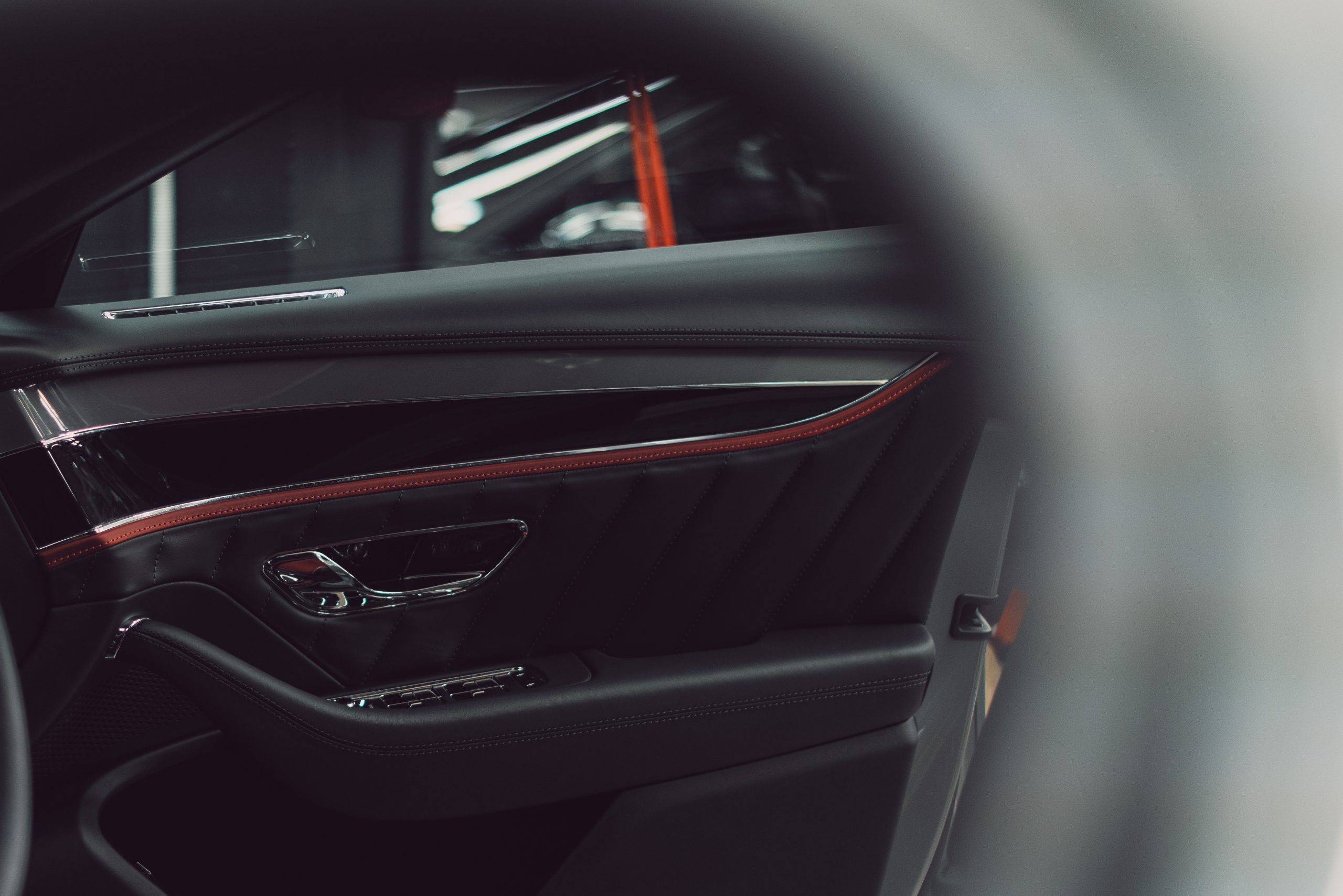
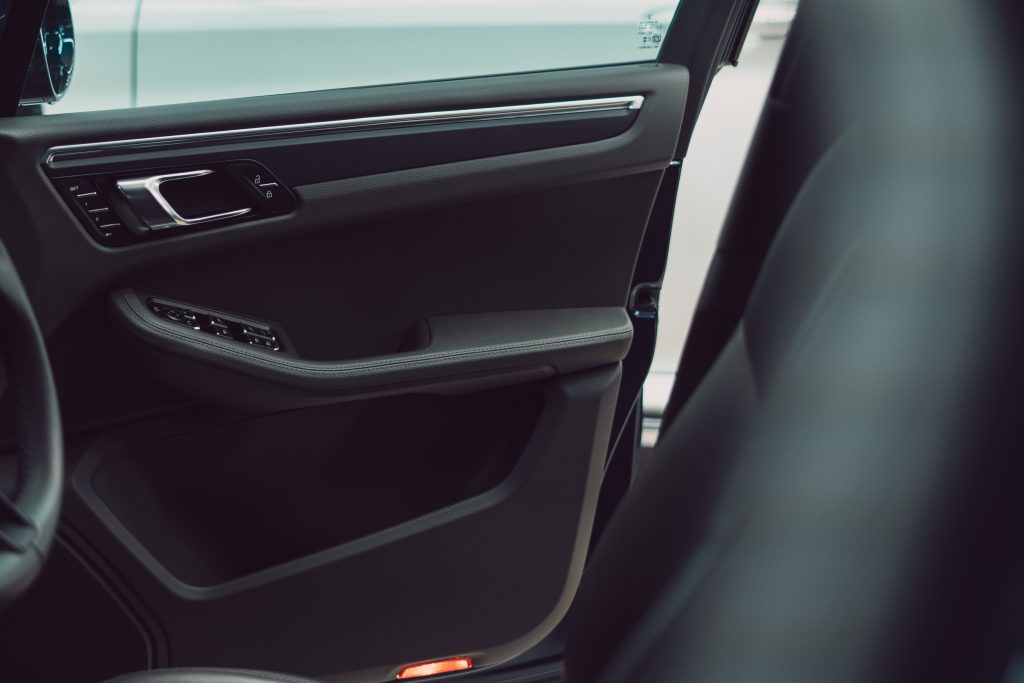
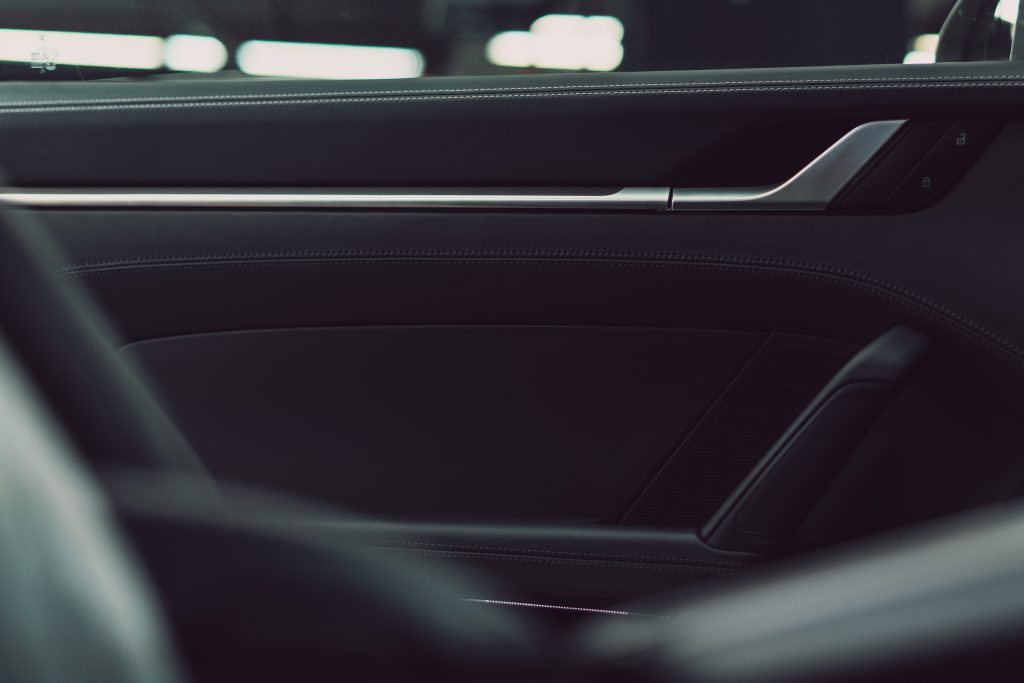
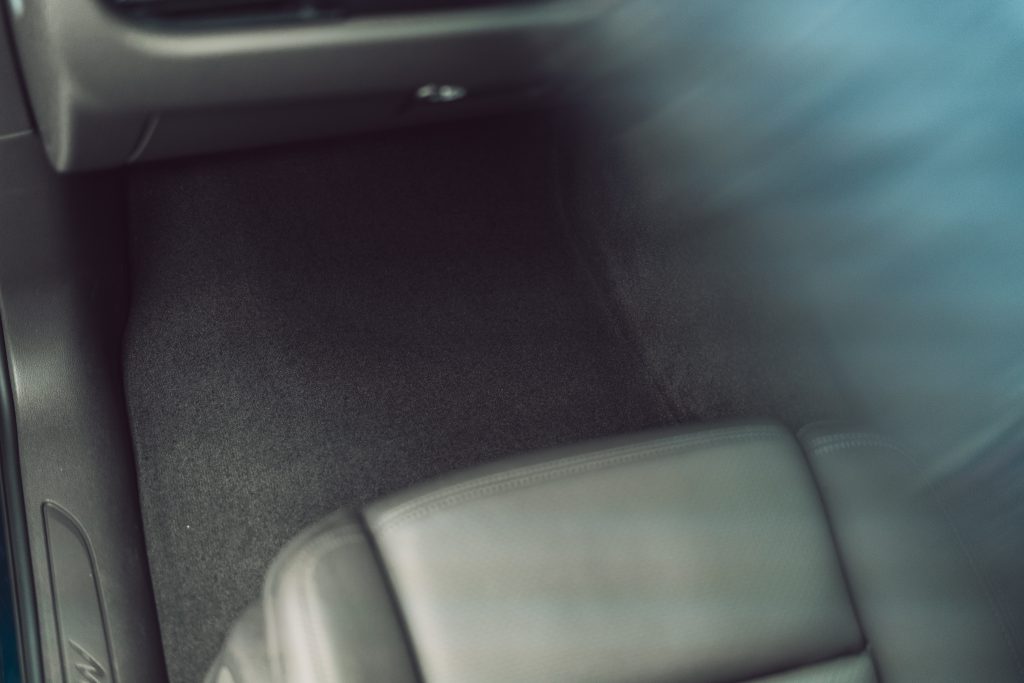
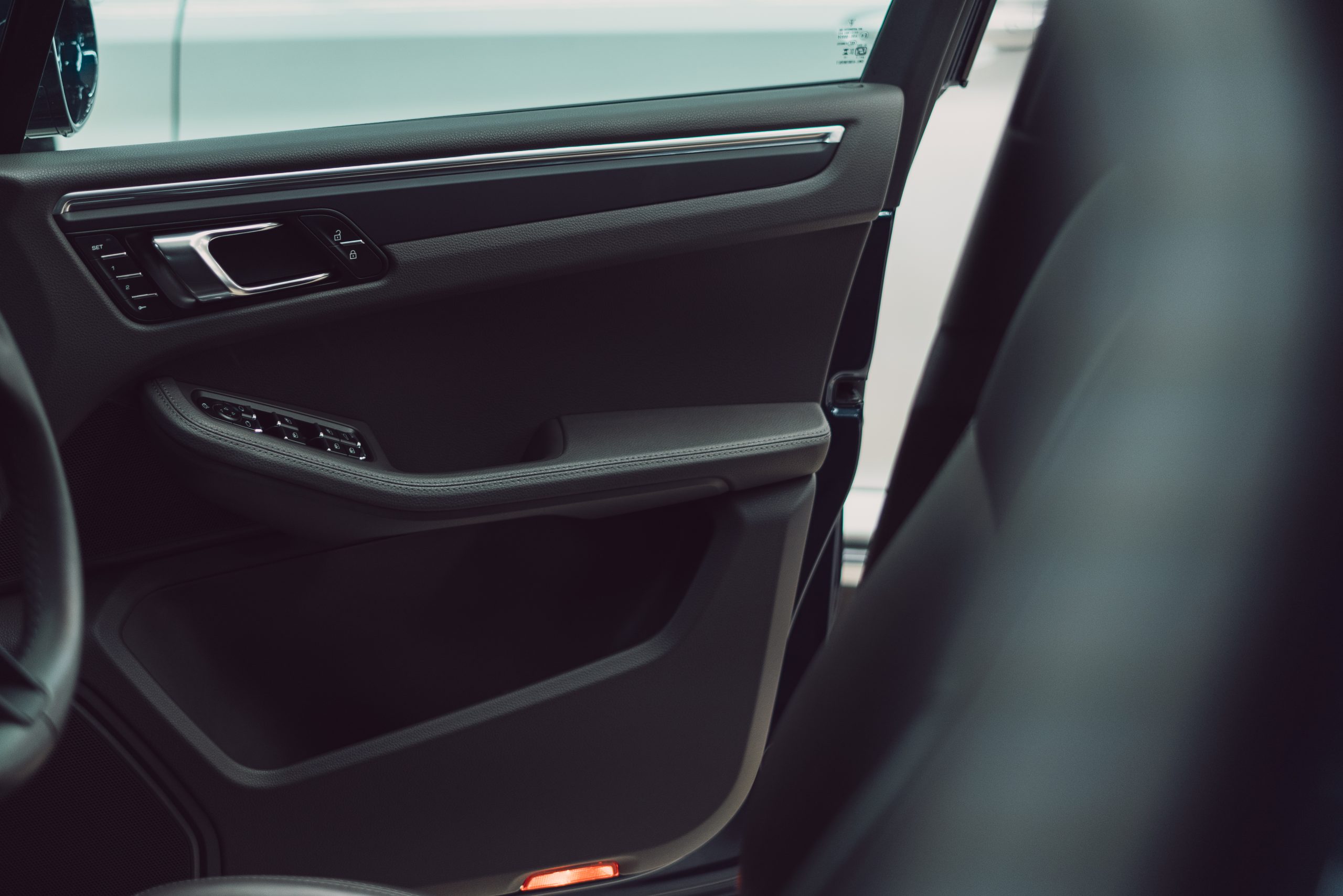
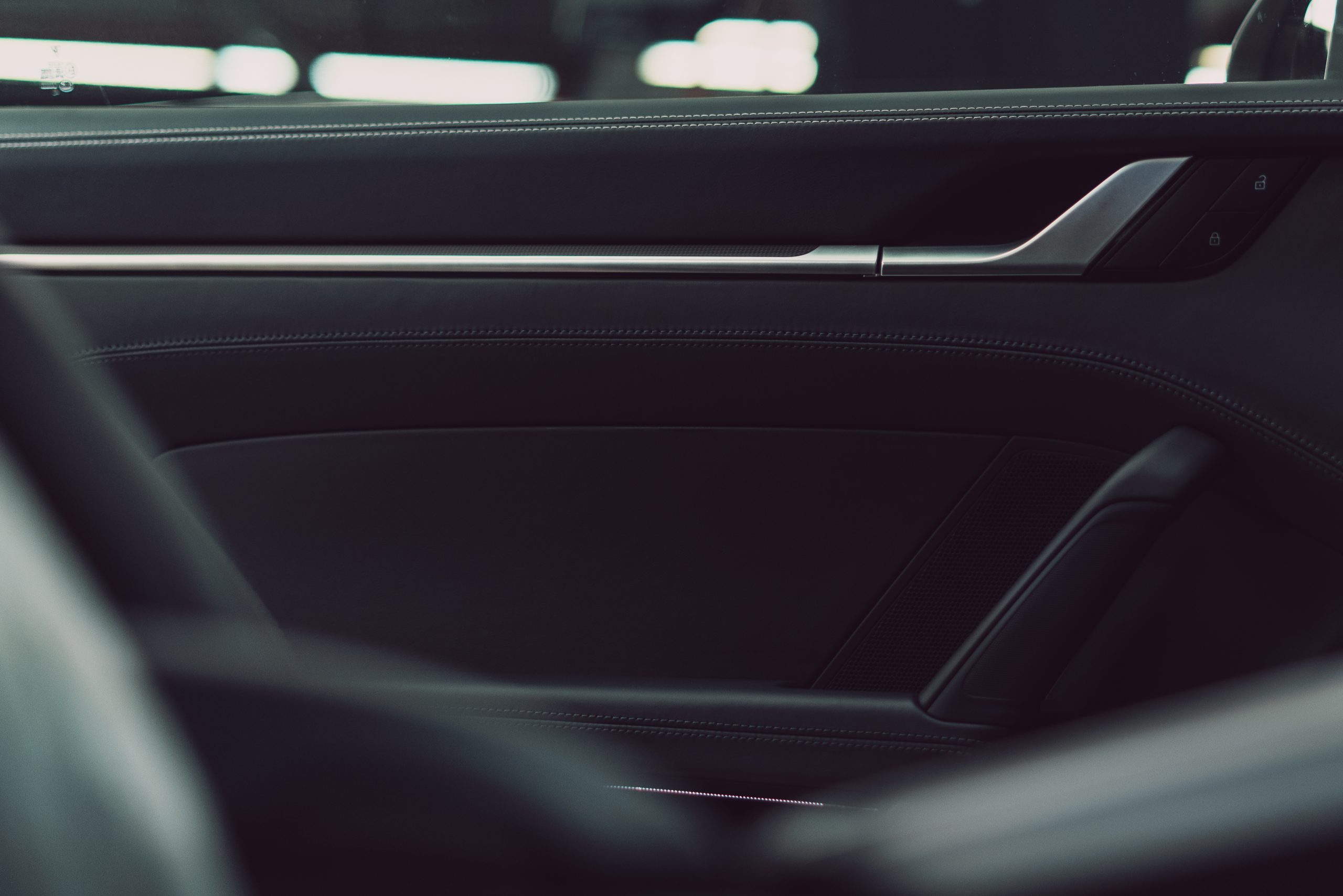
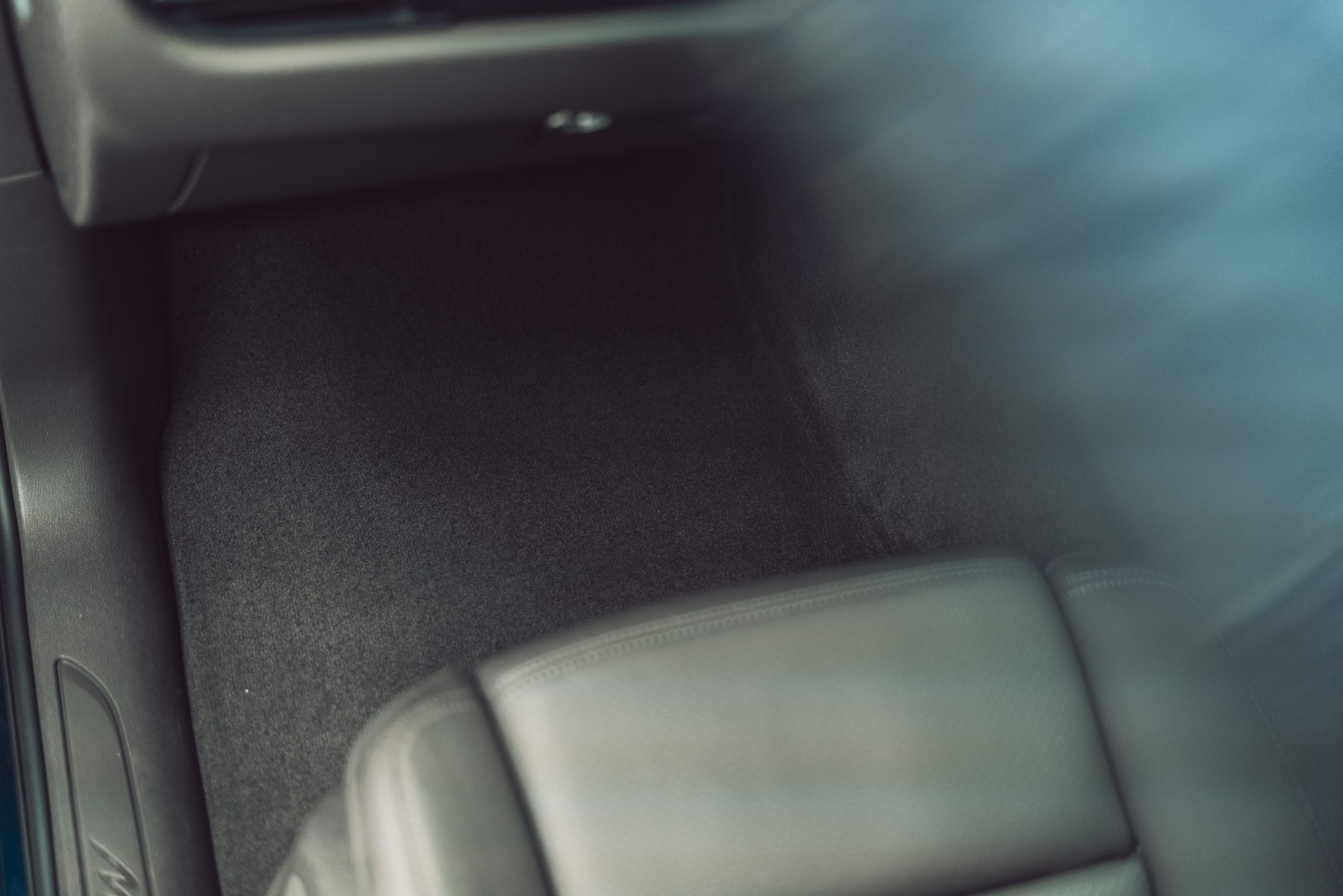
Aftermarket soundproofing options for cars are designed to reduce noise, vibration, and harshness (NVH) for a more comfortable and quiet ride. These options can be broadly categorized into several types, each made from specific materials tailored to address different sources of noise:
Sound Deadening Mats
Made from dense, vibration-dampening materials like butyl rubber, these mats are designed to be applied to the car’s floor, doors, roof, and trunk. They work by absorbing vibrations and reducing the resonance of metal panels.
Insulation Foam
Open or closed-cell foam is used for filling cavities and creating a barrier against airborne noise. Polyurethane or acoustic foam is commonly used for its excellent sound absorption properties.
Sound Dampening Sheets
Similar to sound deadening mats, these sheets are typically made from a combination of materials like mass loaded vinyl (MLV) and foam. They are used to block airborne noises and can be cut and shaped to fit various parts of the vehicle.
Acoustic Carpets and Liners
Made from heavy, dense fabrics, these materials are designed to replace or go over existing carpets and liners to add an extra layer of sound insulation.
Each of these options targets different aspects of a vehicle’s acoustics, from dampening structure-borne noise (vibrations transmitted through the car’s body) to insulating against airborne noise (sound transmitted through the air). The choice of materials and specific products depends on the frequencies and types of noise a car owner wishes to mitigate, as well as the vehicle’s unique characteristics. Combining these materials effectively requires a good understanding of soundproofing principles and the specific noise challenges of the vehicle.
Aftermarket soundproofing options for cars are designed to reduce noise, vibration, and harshness (NVH) for a more comfortable and quiet ride. These options can be broadly categorized into several types, each made from specific materials tailored to address different sources of noise:
Sound Deadening Mats
Made from dense, vibration-dampening materials like butyl rubber, these mats are designed to be applied to the car’s floor, doors, roof, and trunk. They work by absorbing vibrations and reducing the resonance of metal panels.
Insulation Foam
Open or closed-cell foam is used for filling cavities and creating a barrier against airborne noise. Polyurethane or acoustic foam is commonly used for its excellent sound absorption properties.
Sound Dampening Sheets
Similar to sound deadening mats, these sheets are typically made from a combination of materials like mass loaded vinyl (MLV) and foam. They are used to block airborne noises and can be cut and shaped to fit various parts of the vehicle.
Acoustic Carpets and Liners
Made from heavy, dense fabrics, these materials are designed to replace or go over existing carpets and liners to add an extra layer of sound insulation.
Each of these options targets different aspects of a vehicle’s acoustics, from dampening structure-borne noise (vibrations transmitted through the car’s body) to insulating against airborne noise (sound transmitted through the air). The choice of materials and specific products depends on the frequencies and types of noise a car owner wishes to mitigate, as well as the vehicle’s unique characteristics. Combining these materials effectively requires a good understanding of soundproofing principles and the specific noise challenges of the vehicle.
Contact us today for a consultation. We’ll discuss how we can bring your automotive dream back to life.
The interior of your vehicle deserves the same care and precision as its exterior. Our interior specialists are trained across the full spectrum — from artisanal leather craftsmanship to acoustic engineering — and treat every surface with the reverence it deserves.
What interior materials can AutoDetailer Studio work with?
Our interior specialists work across the full range of automotive cabin materials: leather in all forms (Nappa, Dakota, corrected grain, premium Italian hides), Alcantara, fabric upholstery, carbon fibre, thermoplastic (TPE) trim components, carpets, headliners, dashboards, and glass. If it exists within a vehicle’s cabin, we can detail, restore, or transform it.
What is the difference between interior restoration and a bespoke interior transformation?
What is NVH soundproofing, and will I notice a real difference?
NVH (Noise, Vibration, and Harshness) insulation is the science of minimising the intrusion of road noise, tyre resonance, vibration, and heat into your cabin. When properly installed, the difference is immediately perceptible — a quieter, more composed driving environment that reduces fatigue on long drives, elevates audio system performance, and makes every journey significantly more refined. We use butyl-based sound deadening mats, acoustic foam, mass loaded vinyl, and acoustic carpets, applied strategically to floors, doors, roof, wheel arches, and firewall areas. Treatments are fully customisable based on your specific noise concerns.
Can a heavily worn or damaged interior be fully restored?
In most cases, yes. Decades of experience mean we have restored interiors in far worse condition than most clients present to us. Sections too worn or damaged for repair can be replaced with precisely matched panels in leather, Alcantara, cloth, or other materials. We assess every interior individually and will give you an honest picture of what is achievable and recommend the best path forward.
AutoDetailer Sdn Bhd (662201-W)
No.89A – P2, Block H, Jaya One, No.72A,
Jalan Profesor Diraja Ungku Aziz, 46200 Petaling Jaya, Selangor. Malaysia.
Navigate via: Waze | Google Maps
Whatsapp: +6012 5878 961
Tel: +603 7960 7940
E-mail: [email protected]
Monday to Friday
9.00am – 11.30am | 12.30pm – 6.00pm
Saturday
9.00am – 1.00pm
Copyright © 2026 AutoDetailer Sdn Bhd | All Rights Reserved.